YouTube Nears $3 Billion Settlement With US Schools Over Addiction Claims
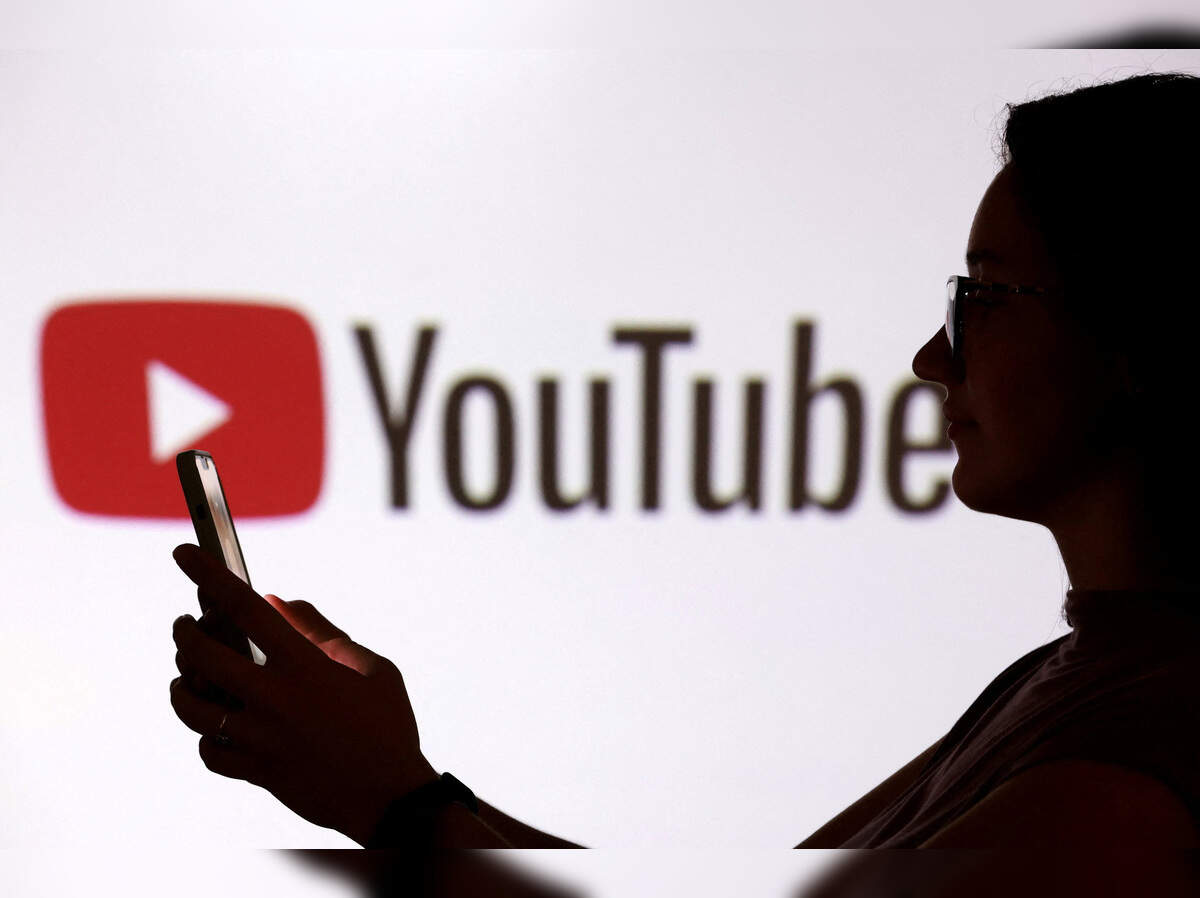
YouTube is finalising a settlement worth around $3 billion with thousands of US school districts that accused the video platform of deliberately designing an addictive product that harmed students' mental health, Bloomberg News reported on Friday.
The agreement in principle, described by people familiar with the matter, would be the largest corporate settlement ever reached with US school districts. It also includes additional product safeguards for teenagers — though details of those safeguards have not been disclosed.
What the deal would settle
School districts from New York City and Los Angeles to small rural communities sued YouTube alongside Meta Platforms, Snap and TikTok, arguing that features such as recommendation algorithms, autoplay and infinite scroll were engineered to hook young users. The lawsuits link those designs to depression, anxiety, eating disorders and suicide among students.
The districts are not mainly seeking damages for individuals. They want reimbursement for the institutional costs of dealing with the fallout — hiring counsellors and mental-health staff, and enforcing phone bans in classrooms. More than 10,000 lawsuits have been filed against the four platforms over the past five years by schools, individuals and state attorneys-general, with plaintiffs comparing the companies' tactics to those of Big Tobacco.
The companies have denied the claims. Google spokesman José Castaneda declined to comment on the reported settlement, as did the plaintiffs' attorneys leading the school district cases. YouTube's parent, Alphabet, did not immediately respond to Reuters' request for comment.
What still has to happen
The deal is not done yet. It is contingent on a majority of the school districts signing on, and people familiar with the matter say finalisation will likely take a few months. Any settlement also needs approval from US District Judge Yvonne Gonzalez Rogers in Oakland, California, who is overseeing the consolidated federal litigation.
Settling would let YouTube step out of that courtroom before the next big test: a federal trial centred on a school district in Tucson, Arizona, with about 40,000 students, scheduled to begin in February 2027. Meta, TikTok and Snap remain defendants in that case.
Part of a much bigger legal reckoning
The YouTube deal follows a string of escalating payouts. In May, all four platforms settled with Kentucky's Breathitt County School District for a combined $27 million a month before trial — YouTube paid slightly more than $2 million, Meta $9 million, and Snap and TikTok $8 million each. In August, Meta agreed to pay up to $18 billion over the next decade and accept strict limits on teenage use of Facebook and Instagram, including a two-hour daily scrolling limit, to settle claims brought by nearly every US state. YouTube was also found negligent in a personal-injury lawsuit in Los Angeles in March and settled a separate personal-injury case in June.
Schools are a uniquely awkward battleground for Google. YouTube is embedded in classroom teaching, and Google's Chromebook is the most commonly used student laptop in the US. A September survey of more than 2,000 high-school students by the Thomas B. Fordham Institute found that over 30% used YouTube for entertainment rather than teacher-directed activities during the school day.
The settlement talks also land in the middle of a second fight between Google and educators: on November 19, hundreds of Google employees urged the company to let schools use Google Search without AI chatbot features, as controversy over AI in classrooms continues.
To put the figure in perspective, $3 billion is less than 1% of the annual revenue of Alphabet, Google's parent company — a painful headline, but an affordable one. The bigger cost may be the precedent. A settlement of this size signals to every remaining defendant that the school-district cases carry real financial risk, and it gives thousands of districts a war chest to fund further claims. Thousands of individual personal-injury lawsuits against YouTube also remain active, separate from the school cases.
For parents and teachers, the practical question is what the promised teen safeguards turn out to be. For the industry, the message is clearer: the legal bill for "addictive by design" claims now runs into the billions, and it is still growing.
Sources: Bloomberg News — reporting on the in-principle settlement (November 20, 2026), Reuters — "YouTube nears $3 billion settlement with US school districts over addiction claims" (November 20, 2026), Engadget — "YouTube could pay $3 billion to settle social media addiction lawsuits with school districts" (November 20, 2026), Gizmodo — "YouTube Reportedly Nearing Multi-Billion Settlement With School Districts" (November 2026), Image: Reuters