
Smartphone Buying Guide 2026: The Only Specs That Actually Matter
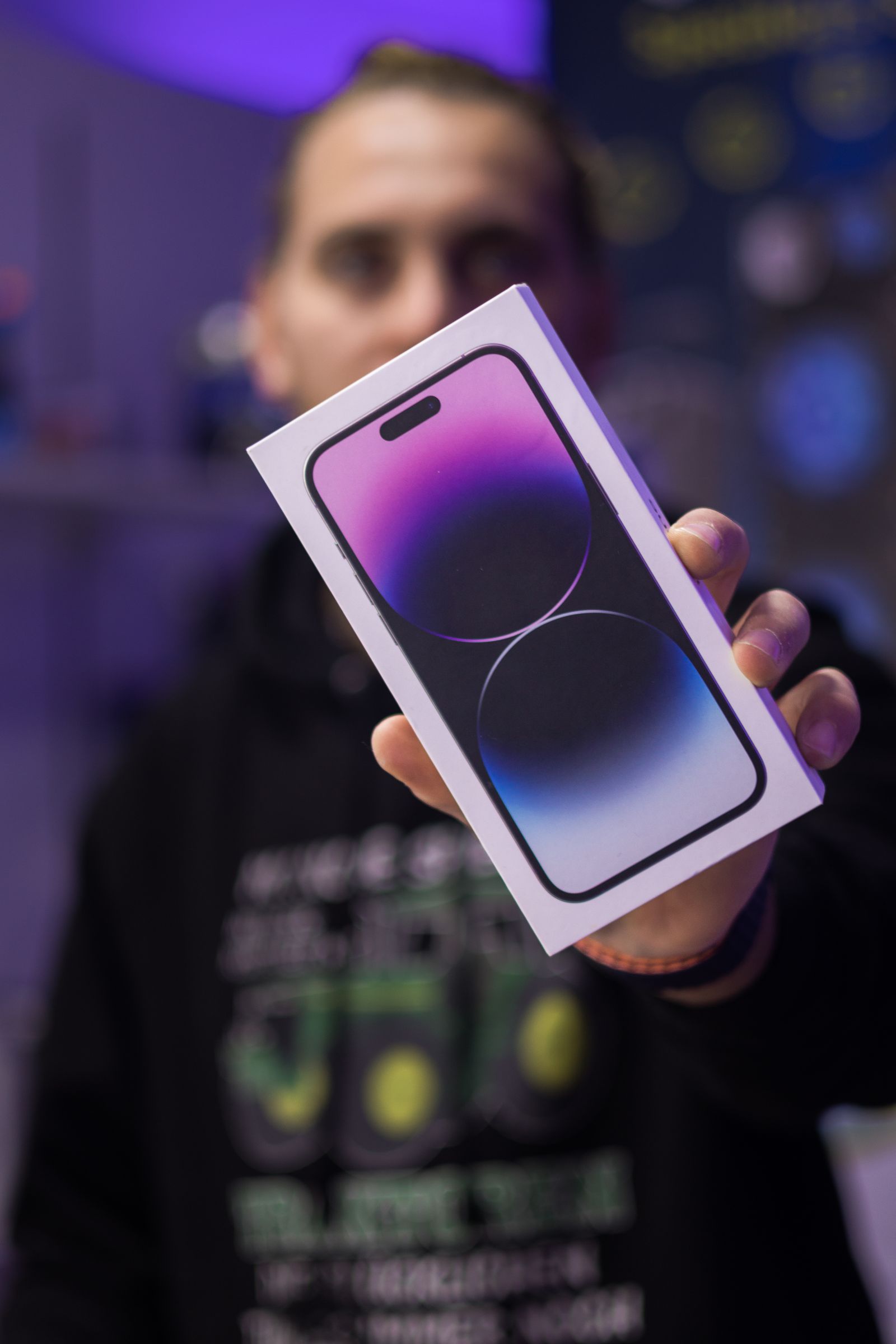
Phone spec sheets are designed to overwhelm you: 200-megapixel cameras, alphabet-soup processors, screens measured in nits. Most of it does not predict whether you will be happy with the phone in two years. This guide cuts through it — the handful of specs that genuinely change daily life, the ones you can safely ignore, and what to expect at three budget levels.
The display: look at smoothness and brightness, not just size
You stare at the screen for hours a day, so it matters more than almost anything. Two things count. First, refresh rate: 90Hz or 120Hz makes scrolling and animations feel noticeably smoother than the old 60Hz standard, and once you have used it, going back feels broken. Second, brightness: a screen that stays readable in sunlight saves daily frustration. Resolution beyond "Full HD" class is largely invisible at phone sizes, so do not pay extra for ever-higher pixel counts.
The chip: the invisible spec that decides longevity
The processor determines how fast the phone feels today and whether it still feels acceptable in year four. You do not need the flagship chip, but avoid the very cheapest processors in bargain phones — they are why budget phones often feel old within eighteen months. A practical rule: a mid-range chip from the last year or two will handle messaging, maps, video and light gaming without complaint. Heavy mobile gamers are the exception and should prioritise the processor above everything else.
RAM and storage: buy storage, relax about RAM
RAM affects how many apps stay open in the background. Around 8 GB is comfortable for most people in 2026; more is nice for gamers and heavy multitaskers, but it is rarely the thing that limits a normal user. Storage is the opposite story: it cannot be expanded on most modern phones, and running out is miserable. Treat 128 GB as the minimum, and choose 256 GB if you shoot lots of video or keep the phone for three years or more. Cloud storage helps with photos, but apps and offline media still need room.
Battery: capacity is a clue, charging is a feature
Battery sizes are quoted in milliamp-hours (mAh), and bigger is generally better — but software efficiency matters just as much, so check real-world reviews rather than comparing numbers alone. Just as important is charging speed: a phone that regains half its battery during a coffee break changes how you live with it. Also remember that batteries age; a phone with a slightly larger battery still feels fine after two years of wear, while a marginal one does not.
The camera: ignore the megapixel race
Here is the myth to unlearn: more megapixels does not mean better photos. A 200-megapixel sensor mostly exists for marketing. Photo quality comes from the size of the sensor, the quality of the lens, and above all the software processing that turns raw data into a pleasing picture — which is why mid-range phones from makers with strong camera software routinely outshoot higher-megapixel rivals. What to actually check: does it have a good main camera with optical image stabilisation (OIS) for steady shots, and how does it handle night photos in reviews? Extra lenses vary wildly in quality; a mediocre telephoto or macro lens adds cost, not value. Front-camera megapixels matter even less.
Software updates: the most underrated spec of all
A phone that stops receiving security updates becomes unsafe to use for banking and email, no matter how good its hardware is. This is where brands differ enormously. Google's Pixel 8 and newer and Samsung's recent Galaxy S flagships promise seven years of OS and security updates, recent Galaxy A mid-rangers promise up to six, and iPhones typically receive major iOS updates for five years or more. Many cheaper phones still offer only two or three years. Before buying, check the manufacturer's stated update policy for that exact model — and remember the clock starts at the phone's launch, not the day you buy it.
5G and the basics
By 2026, 5G is standard on all but the cheapest phones, and you should simply make sure it is included rather than pay a premium for it. Also confirm the unglamorous basics: water resistance if you are hard on phones, stereo speakers if you watch video without headphones, and — increasingly rare — whether a charger is included in the box.
What you can safely ignore
Anything beyond 120Hz refresh rates, 16 GB of RAM in a non-gaming phone, 8K video recording you will never use, and camera megapixel counts as a headline. Also be sceptical of "AI features" as a buying reason unless reviews show they work well in your language and region — they are software, and they often arrive (or improve) via updates later.
Three budget tiers: what to expect
Under roughly $300: A perfectly usable phone for messaging, social media, photos in good light and video streaming. Expect a decent screen, all-day battery, and cameras that struggle at night. Update promises are the weak point — favour models offering at least four years of security updates.
Roughly $300–600: The sweet spot for most people. You get a smooth 120Hz display, a genuinely good main camera with OIS, fast charging, and a chip that stays quick for years. Phones in this band from Google and Samsung also carry long update promises, which makes them the smartest long-term buys.
Over roughly $600: Flagships add the best cameras (especially zoom and low light), the fastest chips, premium materials and the longest support. Worth it if photography is a hobby or you keep phones for five-plus years; overkill for everyone else.
The 60-second checklist
Before you pay, confirm five things: a 90Hz-or-better screen, 256 GB storage if you keep phones long-term, a stated update policy of at least four to five years, OIS on the main camera, and battery reviews from real-world testing. A phone that ticks those boxes will still make you happy in 2029.
Sources: Google Support — Pixel software update policy: seven years for Pixel 8 and newer (support.google.com), Samsung — Galaxy S series seven generations of OS upgrades and seven years of security updates; Galaxy A series up to six (samsung.com / news.samsung.com), TechRepublic — "Samsung vs Google Software Support" comparison (techrepublic.com), GadgetsFocus — 2026 study of Android update promises by brand (gadgetsfocus.com)