
Senate Passes 'Death Bets Act' to Ban Prediction-Market Wagers on War and Death
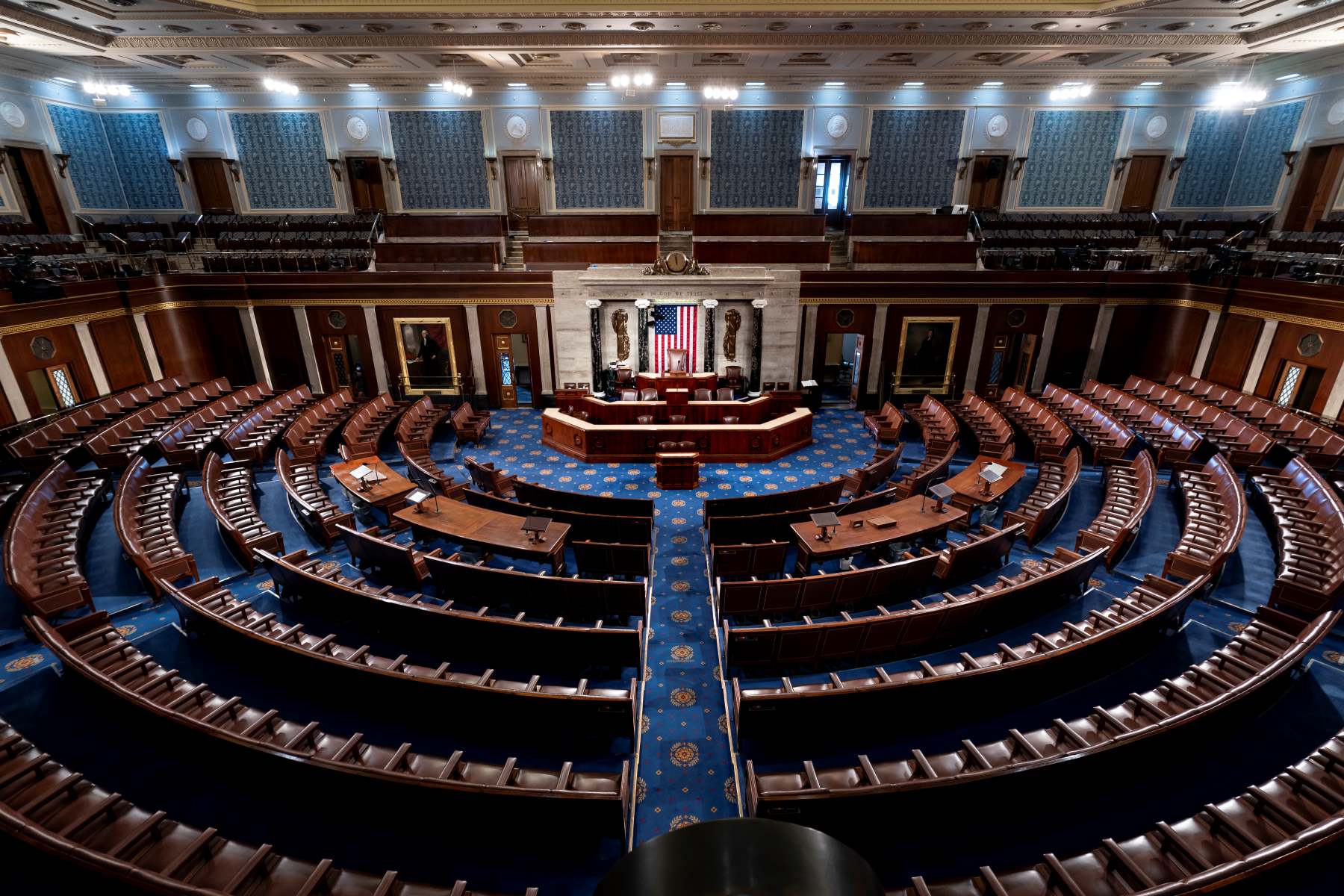
The US Senate has voted to ban prediction markets from offering bets on war, terrorism, assassinations and individual deaths, passing bipartisan legislation that now heads to the House of Representatives. The bill, known as the DEATH BETS Act, passed by voice vote on Thursday, November 19, according to CoinDesk, The Block and Bloomberg Law.
The vote marks the first time a chamber of Congress has approved a bill banning a specific category of event contract, and it lands as prediction platforms such as Polymarket and Kalshi face mounting legal and regulatory pressure over who can trade on what — and with what information.
What the bill would do
The legislation, S.4035, carries the full title "Discouraging Exploitative Assassination, Tragedy, and Harm Betting in Event Trading Systems Act." It was introduced in March by Senator Adam Schiff, a California Democrat, and co-sponsored by Senator John Curtis, a Utah Republican.
If it becomes law, the bill would amend the Commodity Exchange Act to prohibit any exchange or clearinghouse registered with the Commodity Futures Trading Commission (CFTC) from listing or clearing contracts tied to terrorism, assassination, war, US military operations, or any contract that is reasonably expected to resolve mainly on the death of an individual. It would also let the CFTC extend the ban to similar activity by rule.
Notably, the bill creates no new criminal penalties or fines. Instead, it writes the prohibition into the statute itself, so that no future change in CFTC rules or interpretation could quietly allow the contracts back. Enforcement would run through existing federal commodities law.
Why lawmakers acted now
Prediction markets have exploded in popularity, but a series of episodes has convinced many lawmakers that some contracts create perverse incentives and open the door to insider trading. CoinDesk reported that in February, six Polymarket wallets earned roughly $1.2 million betting on the timing of US strikes against Iran, according to blockchain analytics firm Bubblemaps. The traders' identities were never established, but the timing of the bets raised obvious suspicions.
"[These contracts] create rampant opportunities for insider trading," Schiff said on Thursday, also citing national security concerns. The worry is structural: military operations are planned by a small circle of people, and anyone inside that circle — or close to it — could profit enormously from information the public does not have.
The broader enforcement backdrop has been building. The CFTC has warned that insider trading on event contracts can violate federal law. Kalshi has previously fined two traders for trading on confidential information, including one penalty of more than $20,000 alongside a two-year ban. Federal prosecutors have also brought a case against a US Army Green Beret accused of trading on his own classified knowledge of a military operation in Venezuela. In the same week as the Senate vote, Kalshi lost an appeal in Maryland in its separate fight with state gambling regulators, Nasdaq reported.
What happens next
The CFTC already has discretionary authority to block contracts involving war, terrorism or assassination, and regulators have used it. Supporters of the bill argue that discretion is no longer enough — it can change with administrations, and it did not explicitly cover contracts based on an individual's death. The DEATH BETS Act would replace that flexibility with a fixed statutory ban.
The bill now goes to the House, where Representative Mike Levin introduced companion legislation in March. It must pass there and be signed by the president before becoming law; until then, the CFTC's existing powers remain the operative rules. A last-minute amendment also clarified that the bill does not touch the separate, ongoing legal fight over sports-related event contracts, which continues in courts across the country.
For the fast-growing prediction-market industry, the message from Washington is becoming clearer: betting on elections and economic data may be here to stay, but betting on death and war is a line Congress is prepared to draw in law.
This article is news reporting for general information only and is not financial advice.
Sources: CoinDesk — "Senate approves DEATH BETS Act to bar war and assassination wagers on prediction markets" (November 20, 2026), The Block — "Senate passes 'Death Bets Act' to ban prediction market contracts tied to death and war" (November 20, 2026), Bloomberg Law — "Senate Passes Bill to Ban Bets on War, Death, Assassinations" (November 2026), Cointelegraph — "US Senate passes DEATH BETS Act targeting prediction markets" (November 2026), Nasdaq — "Crypto Market Update: Senate Passes Death Bets Act" (November 2026)