
Android vs iPhone in 2026: Which One Should You Actually Buy?
The short answer
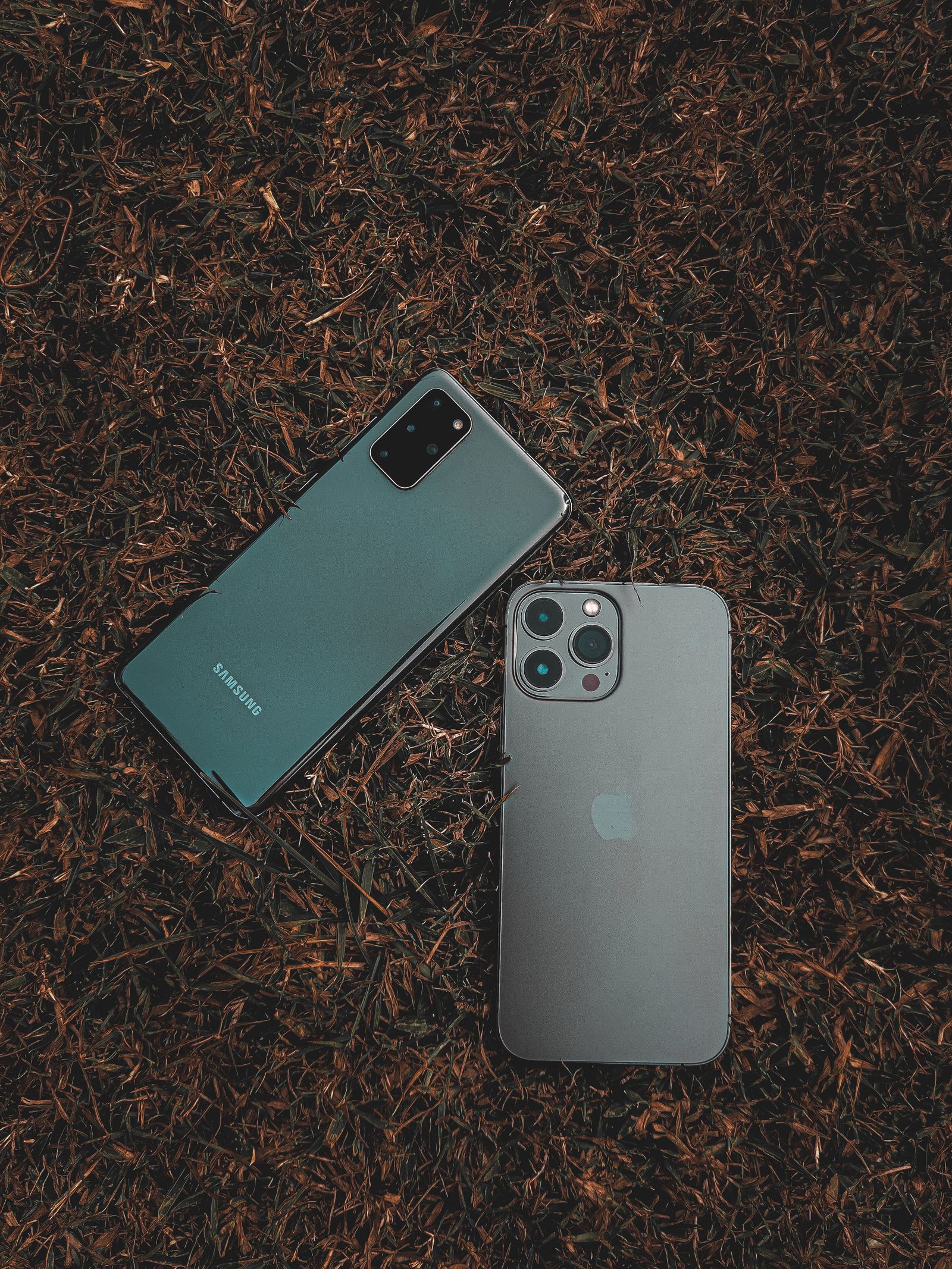
There is no bad choice here any more — and that is exactly what makes the decision harder. A modern iPhone and a modern Android phone both take excellent photos, run every app you need and last all day. The real differences are about ecosystem, freedom and how long the phone will be supported. This guide walks through the ones that actually matter in 2026, so you can pick based on your life rather than a spec sheet.
Ecosystem: the apps and devices around the phone
The biggest difference is not the phone itself but everything connected to it. If your household runs on Macs, iPads and Apple Watches, an iPhone slots in seamlessly: messages, photos, calls and files move between devices with almost no setup. iMessage and FaceTime also matter if most of your friends and family are on iPhone — group chats simply work better inside one ecosystem.
Android is the more open world. Google services work identically on any brand, and you can mix a Samsung phone with Sony headphones, a Windows laptop and a Google smart speaker without friction. If you use Windows as your main computer, Android's file transfer and the Phone Link app make the pairing more natural than an iPhone's.
Cameras: closer than the adverts suggest
Flagship phones from Apple, Samsung and Google all produce superb photos in good light, and blind tests regularly split the vote. The honest differences are in style: iPhones tend toward natural colours and the most consistent video quality, Google's Pixel line leans on computational photography for low-light and zoom shots, and Samsung offers the most versatile hardware with dedicated zoom lenses on its Ultra models. For most people, camera choice now comes down to which look you prefer — not which camera is "best".
Software updates and how long the phone lasts
This is where the gap has closed dramatically. Apple has long supported iPhones with major iOS updates for five to six years. Google and Samsung now match or beat that on their flagships: Pixel 8 and later, and Galaxy S24 and later, are promised seven years of OS and security updates. Whichever side you choose, check the update promise before buying a cheaper model — budget phones on both sides often get far fewer years, and an unsupported phone becomes a security risk long before it stops working.
Freedom vs simplicity
Android lets you change almost everything: default apps, launchers, file management, sideloading apps outside the store. Some people love that control; others never touch it. The iPhone gives you fewer choices but makes the choices for you carefully — settings are simpler, the interface is consistent across every model, and there is less to go wrong. Neither approach is wrong; it depends on whether you enjoy tinkering or prefer to never think about your phone at all.
Price and value
Apple sells a narrow range: the current iPhone line, the previous generation at a discount, and the budget SE/Air-style models when available. Prices are predictable and resale values are the strongest in the industry — a three-year-old iPhone still sells for a meaningful amount.
Android spans every price from under $200 to over $1,500, across Samsung, Google, Motorola, OnePlus and others. That competition means better deals: last year's flagship Android is often the best value in smartphones. The trade-off is that resale values fall faster, and the sheer number of models makes choosing harder — our smartphone buying guide breaks down the specs that matter at each budget.
Privacy and AI features
Both platforms now run much of their AI on-device and both publish privacy labels for apps. Apple's pitch is that it sells hardware, not advertising, and its tracking controls are the strictest by default. Google's pitch is smarter services — call screening, live translation and the most capable assistant — in exchange for more data flowing through your Google account. In 2026 both ecosystems are pushing AI assistants hard; the practical question is which company's services you already trust with your photos, email and calendar.
So, which one should you buy?
Buy an iPhone if your family and friends are mostly on iPhone, you own other Apple devices, you want the simplest experience and the strongest resale value, or you keep a phone for five-plus years and want guaranteed updates.
Buy an Android if you want real choice of price and design, you use Windows and Google services, you like customising your phone, or you want flagship features — high-refresh screens, fast charging, big zooms — at prices Apple does not offer.
Switching is easier than it used to be: both Apple and Google provide official move-to apps that transfer photos, contacts and messages. The one thing that does not transfer is paid apps, so factor in re-buying a few favourites if you jump ship.
The bottom line
In 2026 the Android vs iPhone question is no longer about which phone is better — it is about which ecosystem fits the rest of your life. Pick the platform your other devices, your family and your budget already point to, buy the best model in that world that you can comfortably afford, and keep it for as many years as the update promise allows.
Sources: Apple iPhone and iOS support pages, Google Pixel update policy, Samsung Galaxy update policy, manufacturer specifications